
 Video
Video PDF Download
 Contact us
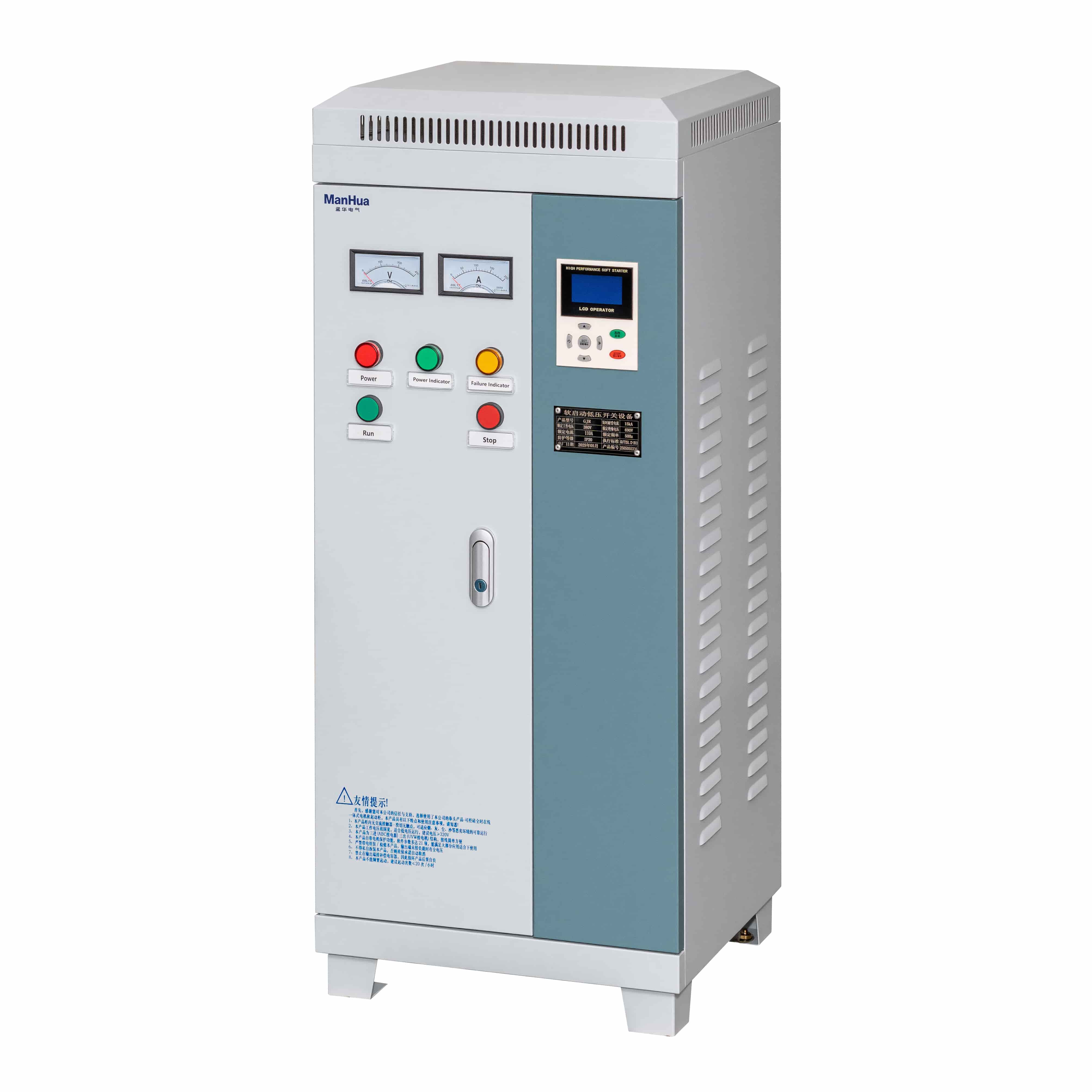
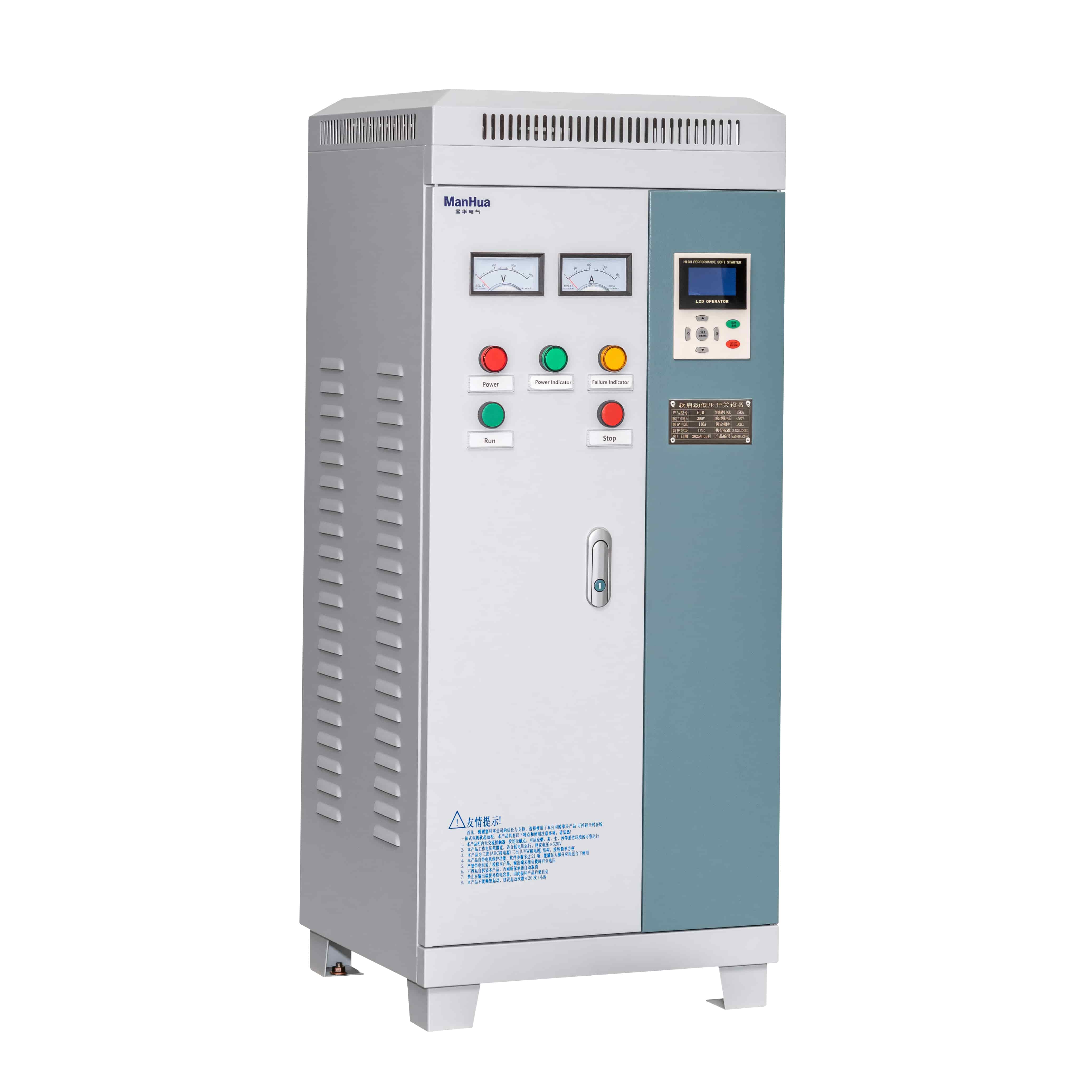
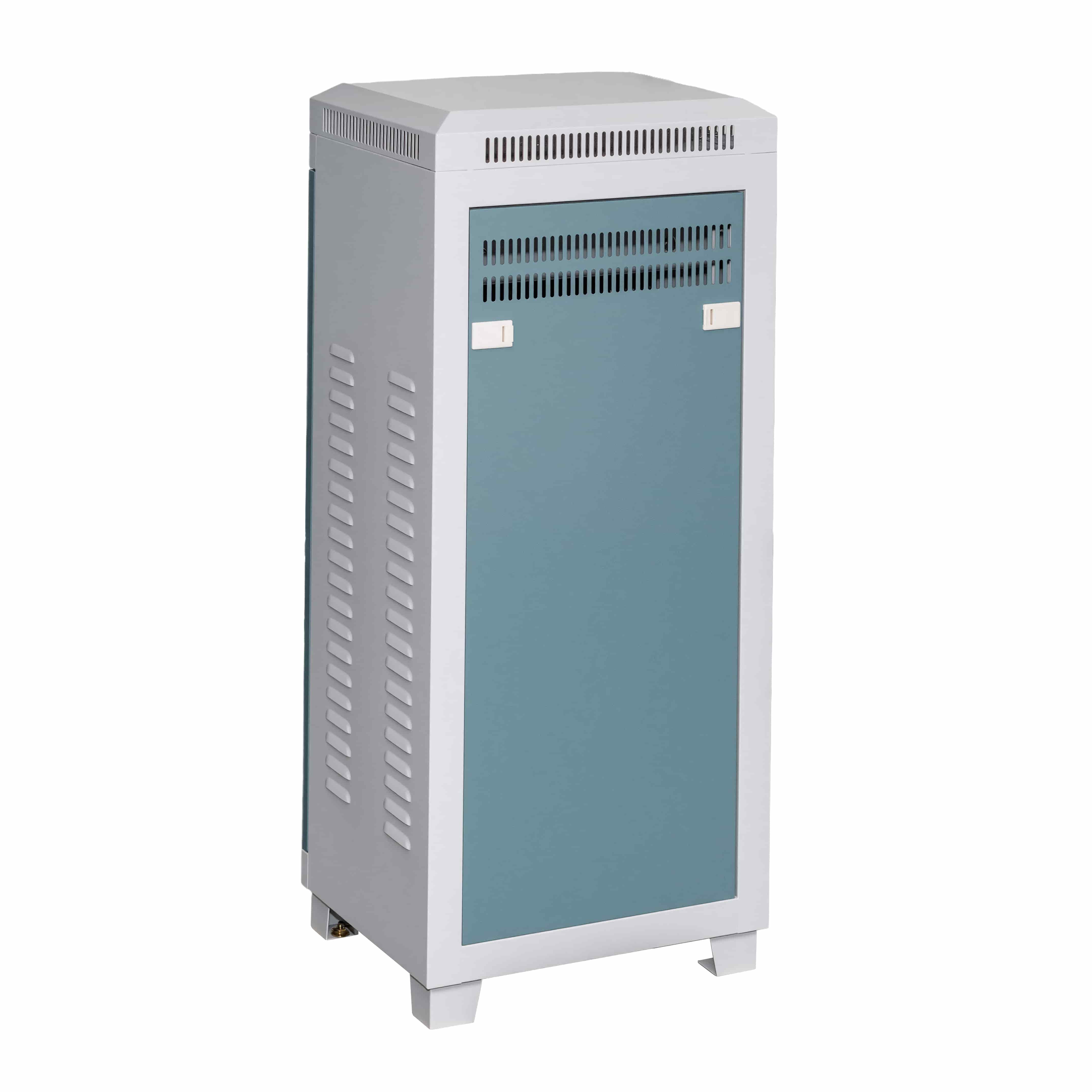
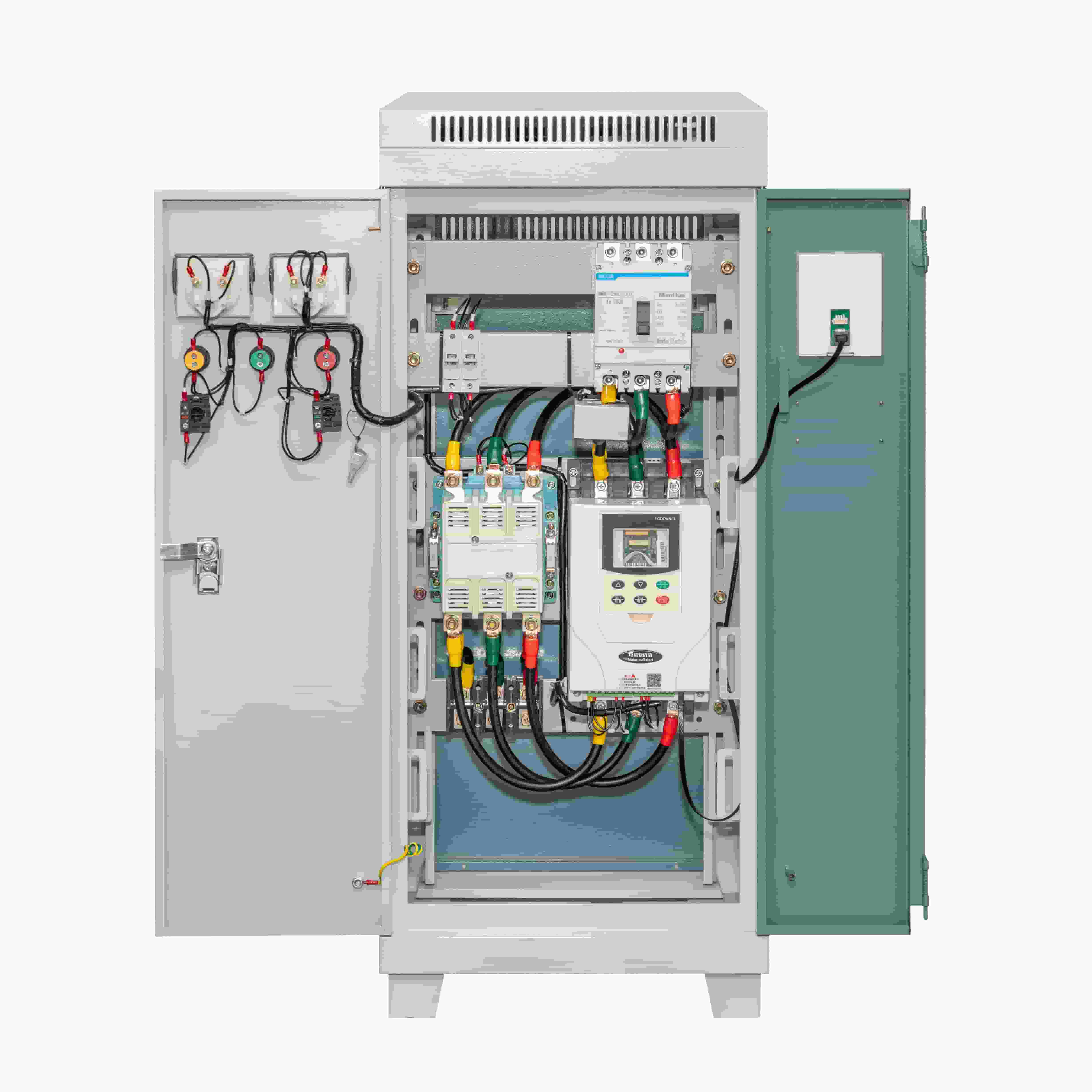
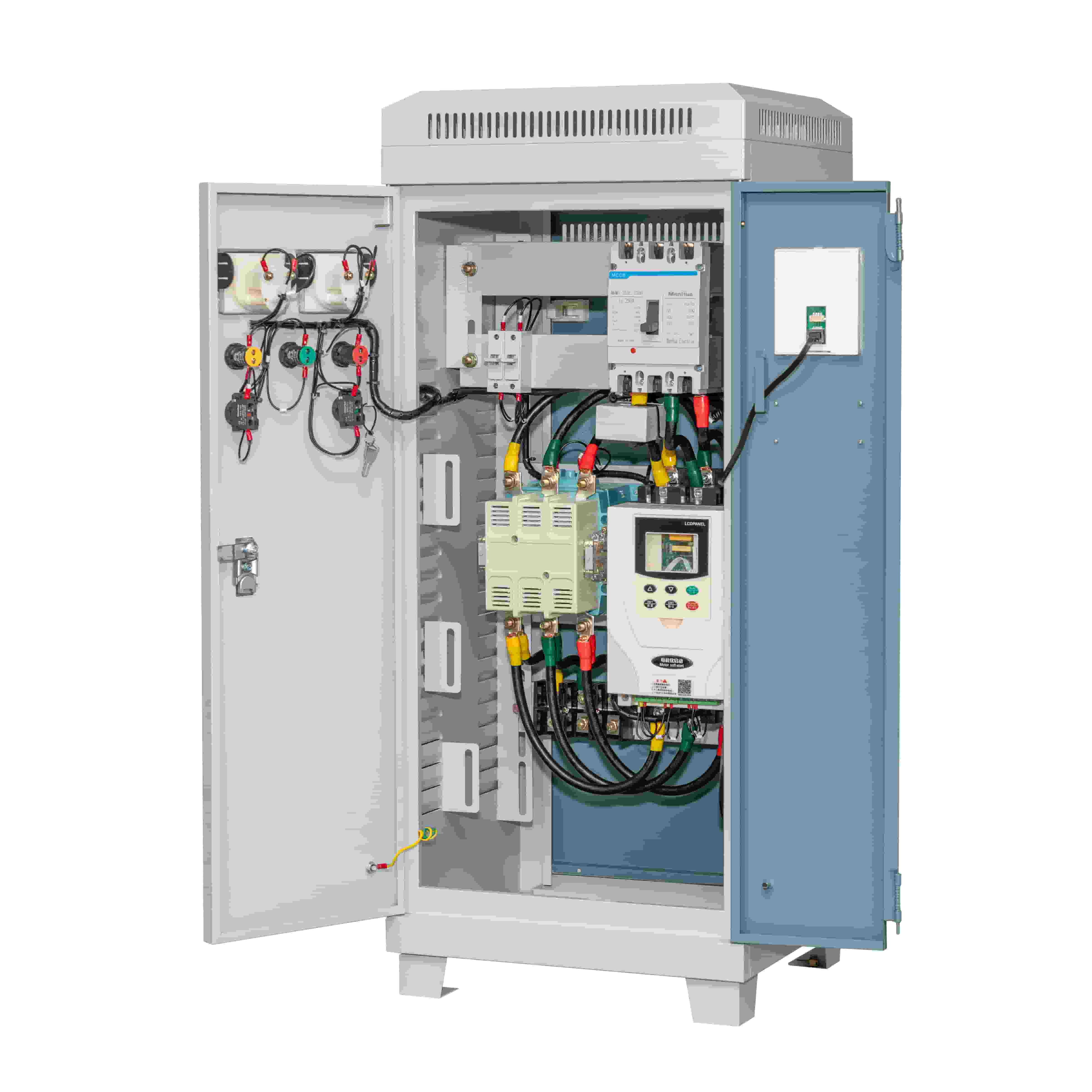
Three-phase 380V online soft-starting cabinet PLC control cabinet with inverter Constant pressure water supply automatic electrical complete distribution box 200/250/280/315/400KW
Introduction to Inverters:
An inverter is a device that converts a power frequency power supply (50Hz or 60Hz) into an AC power supply of various frequencies to achieve variable speed operation of a motor. The control circuit controls the main circuit, the rectifier circuit converts AC into DC, the DC intermediate circuit smooths and filters the output of the rectifier circuit, and the inverter circuit inverts DC back into AC. For inverters that require a lot of calculations, such as vector control inverters, a CPU for torque calculation and some corresponding circuits are sometimes needed. Variable frequency speed regulation achieves the purpose of speed regulation by changing the frequency of the power supply to the motor stator windings.
Control Methods of Inverters
It is characterized by a simple control circuit structure, low cost, and good mechanical characteristic hardness, which can meet the requirements of smooth speed regulation for general transmission and has been widely used in various fields of industry. However, with this control method, at low frequencies, due to the low output voltage, the torque is significantly affected by the stator resistance voltage drop, reducing the maximum output torque. In addition, its mechanical characteristics are not as hard as those of DC motors after all. The dynamic torque capability and static speed regulation performance are still unsatisfactory, the system performance is not high, the control curve changes with the load, the torque response is slow, the motor torque utilization rate is not high, and the performance degrades at low speeds due to the existence of stator resistance and inverter dead-time effects, with poor stability, etc. Therefore, people have developed vector control variable frequency speed regulation.
Functions and Working Principles of Inverters
A device that converts a power frequency power supply (50Hz or 60Hz) into an AC power supply of various frequencies to achieve variable speed operation of a motor. The control circuit controls the main circuit, the rectifier circuit converts AC into DC, the DC intermediate circuit smooths and filters the output of the rectifier circuit, and the inverter circuit inverts DC back into AC. For those that require a lot of calculations such as vector control inverters...”